Process Chiller Supplier In Ipswich
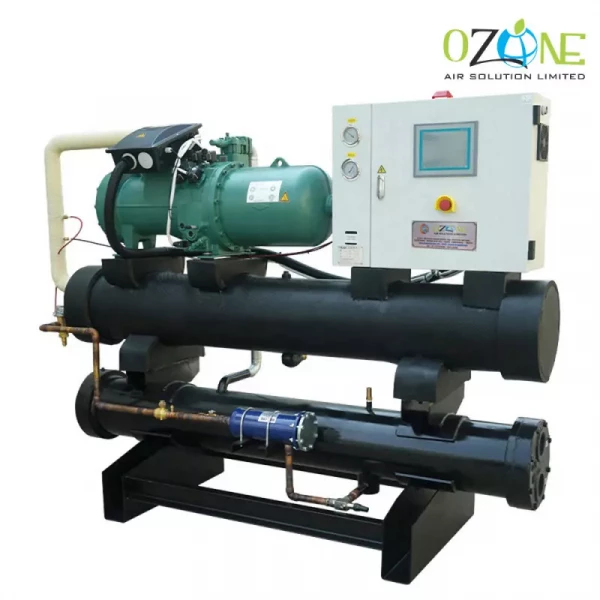
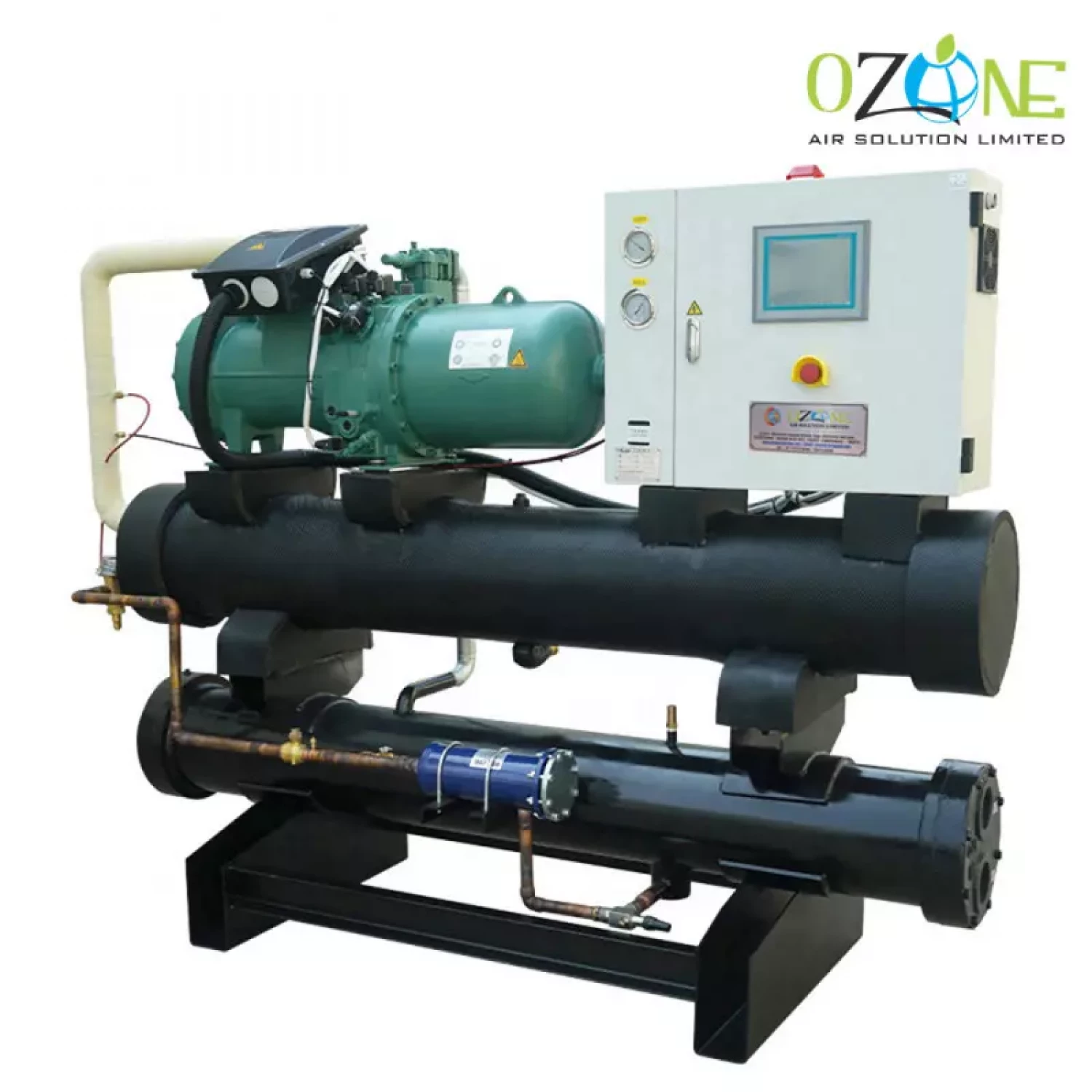
Details of Process Chiller
Precision-built process chillers supplier in Ipswich delivers systems that keep production lines cool and steady. We understand cooling smoothness matters most when your process needs stable temperatures without hiccups. This means our chillers are crafted to manage heat loads accurately, reducing downtime and keeping efficiency up.
Cooling consistency is crucial here because even small temperature swings can disrupt product quality or machine performance. Our chillers handle varying loads while maintaining setpoints across a broad range from plus 50 degrees Celsius down to minus 55, suiting tough industrial environments that demand tight control.
Long-term reliability drives our design approach. The machines use proven refrigeration methods combined with widely accepted refrigerants chosen for durability and compliance rather than short-lived novelty options that risk breakdowns under strain. We build systems meant to last years despite harsh conditions—because replacing a failed chiller midway through a production cycle costs more than the extra care taken at design stage.
Then there's maintenance ease. We know service teams face tight schedules, so we make parts accessible and select components supported locally wherever possible to avoid long wait times. Support isn't just about fixing faults but about quick responses and clear guidance so operators can get back on track fast without guesswork or delays.
The focus stays on energy use too; running cost matters for any facility, especially when operating continuously over shifts or around the clock. Our chillers strike balance between power draw and output using efficient compressors and control strategies tailored for process cooling demands rather than generic HVAC cycles.
If you want a system built strong for today but flexible enough to adapt tomorrow’s changes in load or temperature requirements (which happen often), then consider what real process-focused engineering brings: systems designed specifically not only to cool but also to protect your operations from thermal surprises that could halt production.
Offered Product
Process Chiller
When Consistent And Precise Cooling Is Essential For Manufacturing And Industrial Processes, Ozone Air Solution Limited Makes And Exports High-performance Process Chillers. These Chillers Offer Reliable And Energy-efficient Cooling Throughout Australia. They Are Designed To Keep Stable Temperatures, Protect Sensitive Equipment, And Improve Overall Efficiency In Various Industries.We Provide A Range Of Process Chillers, Including Industrial Process Chillers And Plastic Chillers. Each Unit Has S... Read moreProcess Chiller Supplier In Cranbourne
We Supply Process Chillers In Cranbourne With A Strong Commitment To Meeting Customer Expectations Through Reliable Performance And Prompt Delivery. Process Chillers Play A Key Role Where Precise Temperature Control Matters, Especially In Industrial Setups Where Heat Loads Vary Constantly. Heat Can Cause Inefficiency And Damage If Not Handled Right; That's Why These Systems Need To Be Robust And Consistent Under Fluctuating Conditions.Temperature Swings Can Disrupt Production Quality. Then There Continue
Process Chiller Supplier In Logan
Our Commitment As A Process Chiller Supplier In Logan Is To Provide Products That Support Your Growth And Operational Excellence. These Chillers Deliver Steady Thermal Control Which Your Processes Rely On For Consistent Quality Output, Especially When Temperature Swings Can Ruin Product Integrity. We Focus On Systems That Hold Firm Temperatures Without Much Drift, So Production Lines Keep Running Smoothly.Temperature Reliability Matters Most Here. When Chillers Waver, So Does Your Whole Operatio Continue
Process Chiller Manufacturer In Brimbank
Looking For A Process Chiller Manufacturer In Brimbank That Sticks To Quality And Quick Delivery? We Focus On Reliable Systems Built To Last. Our Chillers Handle Tough Industrial Demands With Steady Performance, Helping Your Processes Stay Cool Without Hiccups.Process Chillers Need To Deliver Precise Cooling. Unstable Temperatures Can Shut Down Production Or Spoil Materials. We Design Systems That Maintain Set Points Consistently, Even When Loads Change Or Environments Get Harsh. This Predictabi Continue